Your cart is currently empty.

How NGOs are Helping Farmers Build Self-Reliant Farms
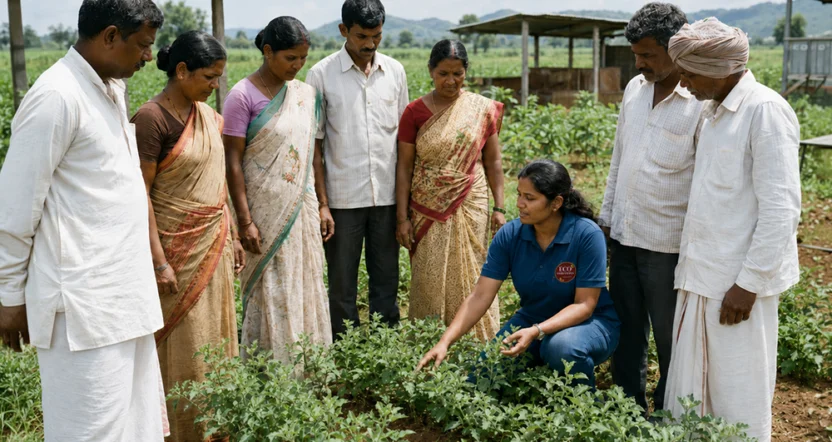
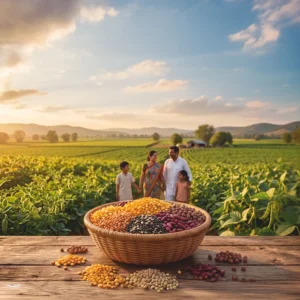
Across rural communities, farmers face a range of challenges that affect their productivity, income stability and long-term sustainability. Limited access to modern farming practices, market linkages and post-harvest support can make it difficult for farmers to fully benefit from the effort they put into cultivating their land. This is where non-governmental organizations (NGOs) play a significant role in strengthening rural agriculture.
NGOs working with farming communities focus on empowering farmers with knowledge, resources and practical solutions that help them become more independent and resilient. Through training programs and field demonstrations, farmers are introduced to improved agricultural practices that enhance crop health, soil quality and overall farm productivity.
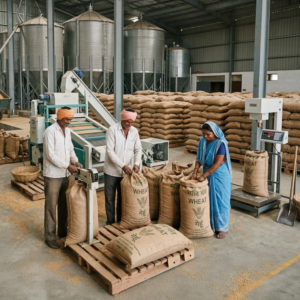
Another key area of support is improving post-harvest management. Farmers are guided on better methods to sorting, grading, packaging and handling their produce so that it reaches markets in better condition. These improvements reduce losses and help farmers maintain the quality of their harvest, which can lead to better returns.
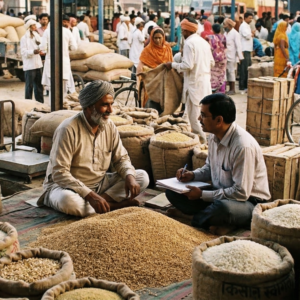
Market access is also an important focus for NGOs. By connecting farmers with buyers, cooperatives and larger distribution networks, these organizations help reduce the dependence on multiple intermediaries. Some initiatives also encourage collective selling, where farmers work together to negotiate better prices and strengthen their bargaining power.
In addition, NGOs often introduce farmers to modern tools and community-based solutions that help them manage their farms more efficiently. Access to information, improved logistics and shared infrastructure can significantly improve the overall agricultural value chain.
By focusing on education, market connections and better post-harvest systems, NGOs are helping farmers move toward self-reliance. These efforts not only improve farm incomes but also strengthen rural economies and create more sustainable agricultural communities for the future.