Your cart is currently empty.


Bridging the Gap Between Farmers and Markets
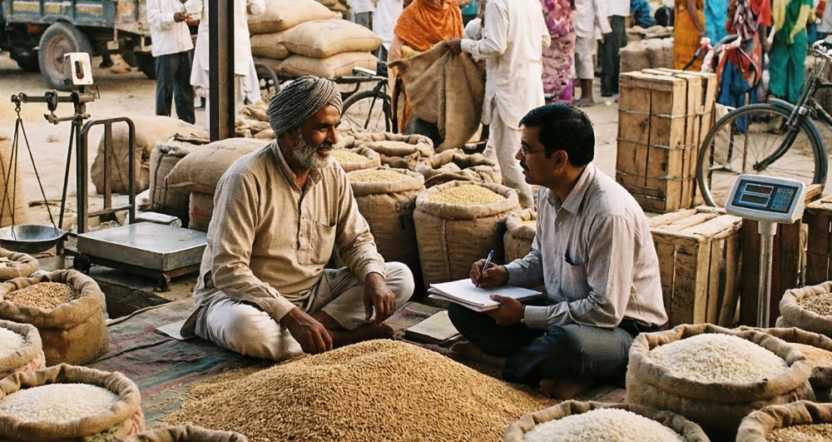
Farmers play a vital role in feeding communities, yet many of them struggle to access reliable and profitable markets for their produce. The journey from the field to the consumer often involves several intermediaries, logistical challenges and limited market information. These barriers can prevent farmers from receiving fair returns for their hard work.
One of the key challenges farmers face is limited direct access to buyers. Without strong distribution channels, farmers are often forced to sell their produce in nearby markets where prices may fluctuate or remain lower than expected. Strengthening connections between producers and larger markets can help farmers reach more buyers and improve their earning potential.
Improved systems for sorting, packaging and handling produce also play a crucial role in making agricultural products more market-ready. When crops are properly prepared and presented, they are more likely to meet the quality standards required by wholesalers, retailers and institutional buyers. This opens new opportunities for farmers to expand beyond local markets.
Another important aspect of bridging this gap is access to reliable market information. When farmers understand demand trends, pricing patterns and buyer requirements, they can make better decisions about how and where to sell their produce. This transparency empowers farmers and strengthens their position within the agricultural value chain.
Organizations working closely with farming communities are helping build these stronger connections by supporting better logistics, encouraging collective selling and creating platforms that link farmers directly with buyers. These efforts not only improve market access but also reduce inefficiencies within the supply chain.
By bridging the gap between farmers and markets, it becomes possible to create a more balanced agricultural ecosystem one where farmers can sell with confidence, consumers receive quality produce, and rural communities benefit from more stable and sustainable livelihoods.