Your cart is currently empty.


Turning Collective Strength into Sustainable Farmer Prosperity. Building Better Livelihoods Through Fpcs

Small and marginal farmers often face challenges such as rising input costs, limited access to markets and fluctuating crop prices. While individual farming has its strengths, earning a sustainable income can become difficult without the right support. Farmer Producer Companies (FPCs) are helping change this reality by enabling farmers to work collectively while retaining ownership of their individual farms.
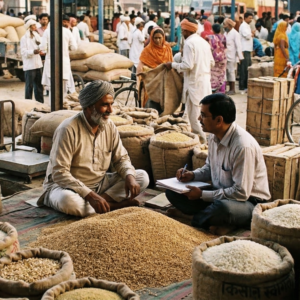
One of the biggest advantages of an FPC is collective bargaining. When farmers purchase seeds, fertilisers, pesticides, and farm equipment together, they benefit from bulk discounts, thereby reducing production costs. Similarly, selling produce as a group gives them stronger negotiating power with traders, wholesalers and institutional buyers, often resulting in better market prices.
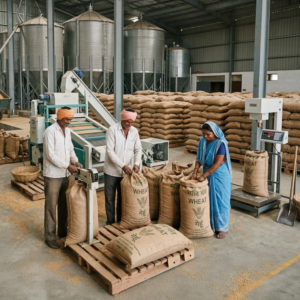
FPCs also improve access to essential infrastructure such as grading units, pack houses, cold storage and transportation. These facilities help maintain the quality of produce, reduce post-harvest losses and increase the market value of agricultural products.
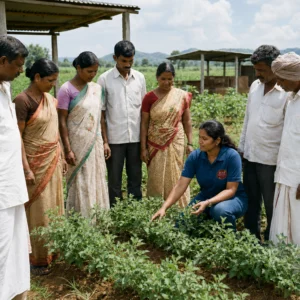
Beyond marketing and infrastructure, FPCs connect farmers with training programs, modern farming techniques, government schemes and financial services. They create opportunities to adopt improved cultivation practices, explore value-added products and diversify income sources.
Perhaps the greatest strength of an FPC is that it transforms individual farmers into collective entrepreneurs. By sharing resources, knowledge and market opportunities, members build greater resilience against changing market conditions and climate-related challenges.
As agriculture continues to evolve, Farmer Producer Companies are proving that collaboration is one of the most effective ways for small farmers to increase their incomes, strengthen their livelihoods and create a more sustainable future for farming communities.