Your cart is currently empty.


Supporting Farmers with Modern Post-Harvest Solutions
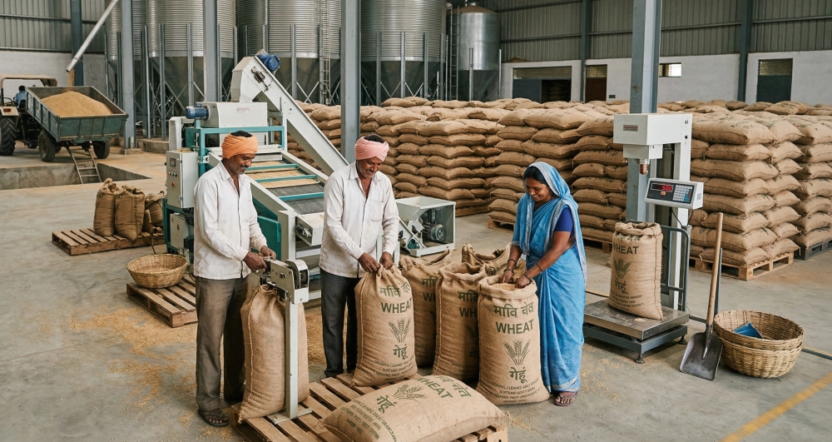
For many farmers, the success of a crop does not depend only on how well it is grown but also on how effectively it is handled after harvest. Once produce leaves the field, factors such as storage, sorting, packaging and transportation play a critical role in determining its final market value. Without proper post-harvest support, farmers can face losses that reduce their overall income and hard-earned efforts.
Modern post-harvest solutions are helping farming communities improve the way produce is prepared for the market. Simple practices like better grading and sorting ensure that crops are categorized based on quality, allowing farmers to target the right buyers and markets. This helps improve price realization and strengthens buyer confidence.
Improved packaging methods also play an important role in maintaining freshness and preventing damage during transportation. When produce is packed properly, it travels longer distances while retaining its quality, allowing farmers to access larger markets beyond their immediate local areas.
Access to organized storage and efficient logistics further supports farmers by reducing the pressure to sell immediately after harvest. With the right systems in place, farmers gain more flexibility in choosing the best time and place to sell their produce, helping those secure fair returns.
Organizations working for rural development and agricultural growth are increasingly focusing on these post-harvest improvements. By introducing practical solutions, training farmers, and building better connections with markets, they are helping create stronger value chains that benefit both producers and consumers.
Supporting farmers with modern post-harvest practices not only reduces losses but also helps ensure that the value created in the field reaches the farmers who work tirelessly to grow our food. Strengthening these systems is an important step toward building a more resilient and prosperous agricultural sector.